
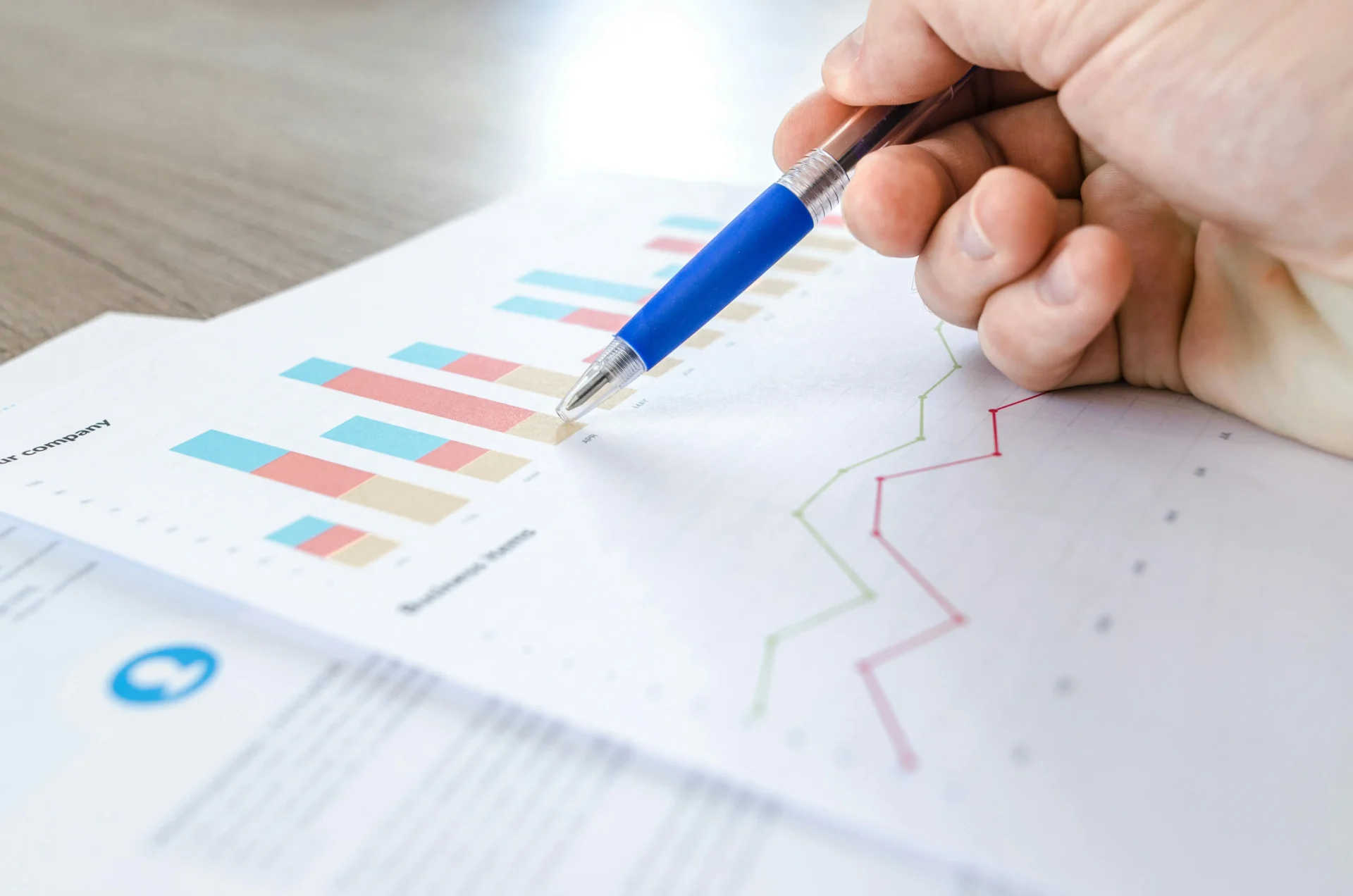
Modern consumer markets demand precision, speed, and adaptability from every brand. In this environment, understanding how CPG brands use data analytics has become a defining advantage. Data no longer sits quietly in reports waiting for review. Instead, it drives daily decisions across marketing, product development, and retail strategy. As competition intensifies, brands that translate information into insight gain measurable ground. Consequently, analytics now shapes not only growth plans but long term survival.
At the same time, digital transformation has expanded both opportunity and complexity. Retail channels continue to multiply, while consumer expectations evolve rapidly. Therefore, brands must rely on structured intelligence rather than instinct alone. Clear data interpretation supports stronger forecasting and smarter investment. Moreover, integrated systems align departments around shared goals. As a result, organizations that commit to analytics operate with greater confidence and control.
Data Foundations and Industry Transformation
Data analytics forms the operational backbone of modern CPG strategy. It connects fragmented information into a unified decision framework. When leaders understand how CPG brands use data analytics, they gain clarity across functions. Sales data, marketing metrics, and supply chain inputs combine to reveal patterns. As these patterns emerge, leadership can forecast trends with greater accuracy. Consequently, decision making shifts from reactive to proactive. Over time, structured analytics reduces uncertainty across departments. This disciplined approach strengthens long term stability.
The industry transformation accelerated as digital commerce expanded rapidly. Online shopping created new touchpoints and richer datasets. Therefore, brands invested heavily in advanced tracking systems tied closely to consumer packaged goods analytics. Those exploring how CPG brands use data analytics began prioritizing predictive modeling tools. These tools analyze historical patterns alongside real time indicators. As a result, companies anticipate demand before it peaks. Furthermore, data visualization platforms make insights accessible to broader teams. Increased accessibility encourages faster cross functional alignment.
Beyond technology, cultural change plays an essential role. Data literacy must extend across marketing, sales, and operations. When teams understand how CPG brands use data analytics, collaboration improves significantly. Clear metrics replace assumptions in strategic discussions. Consequently, performance reviews become evidence based rather than subjective. Over time, organizations develop confidence in structured experimentation. This confidence fuels innovation while limiting risk exposure. Ultimately, analytics becomes embedded into daily routines.
Consumer Insight and Product Development
Deep consumer insight drives sustainable product innovation. Purchase frequency and basket composition reveal behavior trends. When analysts examine how CPG brands use data analytics, they often focus on segmentation supported by CPG consumer insights. Segmentation uncovers distinct shopper groups with unique preferences. Consequently, messaging and offerings become more targeted. Social listening tools add qualitative depth to quantitative findings. This blend of perspectives strengthens decision accuracy. As insights accumulate, product pipelines become more strategic.
Innovation also benefits from predictive demand analysis. Historical sales trends indicate which attributes perform consistently. Organizations studying how CPG brands use data analytics apply these findings to initiatives in CPG product innovation. Testing frameworks evaluate packaging, pricing, and messaging variations. As experiments generate results, teams refine their approach quickly. This iterative process reduces launch uncertainty significantly. Furthermore, early detection of weak signals prevents costly mistakes.
Regional insights further refine development strategies. Geographic sales data highlights cultural and seasonal differences. When reviewing how CPG brands use data analytics, localization frequently emerges as a strength. Tailored SKUs meet specific market preferences effectively. Consequently, distribution partnerships strengthen through relevant assortments. Data driven adjustments also improve retailer negotiations. By presenting clear performance evidence, brands justify expansion confidently. Ultimately, analytics transforms innovation from speculation into structured opportunity.
Pricing Forecasting and Operational Efficiency
Pricing precision directly influences profitability and perception. Elasticity modeling evaluates how consumers respond to price changes. Brands examining how CPG brands use data analytics rely on scenario simulations aligned with CPG pricing strategy frameworks. These simulations estimate revenue outcomes under varied conditions. Consequently, promotional planning becomes more strategic. Trade spend investments align with measurable performance expectations. Moreover, price optimization tools protect margins during volatility. Structured pricing reduces reactive discounting behavior.
Forecasting accuracy remains equally critical. Historical sales data provides baseline projections for future demand. Organizations applying how CPG brands use data analytics integrate seasonal and promotional variables within broader CPG supply chain digital solution systems. Advanced algorithms refine projections continuously. As real time data flows in, forecasts adjust dynamically. This agility minimizes stockouts and excess inventory simultaneously. Improved forecasting strengthens retailer trust.
Operational dashboards extend insight beyond pricing and demand. Logistics tracking identifies bottlenecks in distribution channels. Companies evaluating how CPG brands use data analytics monitor shipment timelines closely. Early warning signals enable corrective action before disruptions escalate. Consequently, service levels remain consistent across regions. Predictive maintenance tools also protect manufacturing efficiency. Operational transparency reduces hidden costs. Efficiency gains compound into sustainable advantage.

Marketing Performance and AI Integration
Modern marketing demands measurable accountability. Digital campaigns generate granular engagement metrics daily. Analysts studying how CPG brands use data analytics focus heavily on attribution within broader CPG Digital Marketing ecosystems. Attribution clarifies which channels drive conversions effectively. Consequently, media budgets align with proven outcomes. Customer lifetime value modeling strengthens retention strategies. Furthermore, behavioral data enables deeper personalization. Targeted messaging improves conversion rates significantly.
Artificial intelligence enhances marketing precision further. Machine learning systems process vast behavioral datasets rapidly. Brands exploring how CPG brands use data analytics increasingly adopt automation rooted in AI in CPG industry advancements. These systems optimize bidding strategies and content placement continuously. As optimization occurs in real time, waste decreases noticeably. Additionally, predictive targeting anticipates consumer needs before purchase intent peaks. Automation reduces manual workload while improving responsiveness. Over time, AI transforms marketing from reactive reporting to proactive execution.
Cross channel integration amplifies results. Unified dashboards consolidate paid, owned, and earned media data. Companies committed to understanding how CPG brands use data analytics emphasize holistic measurement across CPG marketing initiatives. Holistic views prevent siloed decision making. Consequently, messaging consistency strengthens brand identity. Real time monitoring enables rapid creative adjustments. Continuous refinement sustains performance momentum. Ultimately, analytics converts marketing activity into scalable growth engines.
Competitive Advantage and Cultural Alignment
Analytics maturity differentiates market leaders from laggards. Companies embracing structured intelligence outperform intuition driven competitors. Leaders who grasp how CPG brands use data analytics develop sharper strategic focus. Clear performance benchmarks guide every department consistently. Consequently, resource allocation becomes more efficient. Transparency fosters accountability across teams. Measurable goals replace vague aspirations. Sustainable growth emerges from disciplined evaluation.
However, competitive strength requires cultural alignment. Data tools alone cannot deliver transformation. Organizations implementing how CPG brands use data analytics prioritize training and governance. Education empowers employees to interpret dashboards accurately. Clear protocols ensure responsible data usage. Moreover, leadership reinforces evidence based decision making consistently. This reinforcement builds trust in analytical systems. Over time, collaboration deepens across departments.
Future advancements will intensify this advantage. Predictive analytics will evolve alongside artificial intelligence capabilities. Businesses analyzing how to use data analytics must prepare for continuous change. Real time insights will soon replace periodic reporting entirely. Adaptive systems will respond automatically to shifting signals. Consequently, agility will define competitive leadership. Strategic foresight will depend on integrated intelligence. Brands that invest early will shape industry standards.
Retail Strategy and Digital Shelf Leadership
Retail performance depends on visibility, positioning, and measurable proof of demand. As distribution expands across physical and online environments, brands must adapt quickly. Leaders who understand how CPG brands use data analytics gain leverage in retail negotiations. Detailed sales through metrics provide credible evidence of category contribution. Consequently, buyers respond more positively to fact based proposals. Data transparency strengthens long term retail partnerships. Over time, analytics driven communication builds trust. This trust directly influences shelf placement decisions.
Digital commerce has further elevated the importance of precision. Online marketplaces require constant monitoring of pricing, availability, and content quality. Companies refining how CPG brands use data analytics often prioritize digital shelf optimization to maintain competitiveness. Real time tracking identifies out of stock risks before revenue declines. Additionally, keyword performance insights support stronger search visibility. As digital listings improve, conversion rates increase steadily. Retail algorithms reward consistency and responsiveness. Structured oversight prevents costly ranking declines.
Retail collaboration also benefits from performance forecasting. Shared dashboards align suppliers and retailers around mutual growth targets. Brands that consistently apply how CPG brands use data analytics demonstrate accountability through measurable outcomes. This accountability reduces friction during promotional planning. Moreover, joint business planning becomes grounded in objective data rather than speculation. Clear reporting fosters transparency across supply chain partners. As collaboration strengthens, expansion opportunities increase. Ultimately, retail success becomes an outcome of disciplined analytical execution.
Final Thoughts
Data analytics has reshaped the foundation of modern CPG strategy. It unifies consumer insight, operational precision, and marketing accountability. As demonstrated throughout this discussion, structured intelligence drives measurable improvement. Brands that commit to disciplined analysis gain confidence in every decision. Furthermore, integration across departments strengthens long term stability. Ultimately, analytics transforms complexity into strategic clarity.
Organizations prepared to convert insight into sustained expansion benefit from experienced guidance. Leading digital marketing agency, fishbat, brings more than ten years of experience helping CPG brands strengthen and scale their digital presence. Brands can connect with the team directly by calling 855-347-4228 or emailing hello@fishbatstaging.wpenginepowered.com to schedule a free consultation. Additional information is available on the about page for those seeking deeper insight into available services. With a thoughtful strategy in place, growth becomes a structured progression rather than a temporary surge.

