
The wine industry continues to evolve, blending creativity and technology to meet the changing demands of modern consumers. Successful brands understand that connection goes beyond flavor, relying on strategy and storytelling to build loyalty. As the market grows more competitive, wineries must discover innovative ways to stand out while staying authentic. Implementing strong wine marketing ideas can transform how a brand communicates, sells, and sustains growth. From digital channels to experiential events, each effort contributes to a cohesive brand presence. This transformation requires clarity, adaptability, and a forward-looking approach rooted in data and creativity.
At the same time, consumer expectations are shifting toward values like sustainability, community, and transparency. Audiences now want meaningful engagement rather than passive consumption. To thrive, wineries must align their brand identity with genuine experiences and trusted narratives. Every bottle should symbolize craftsmanship, purpose, and connection to its origins. These elements, when integrated with modern marketing tactics, can elevate brand relevance in any market. The following sections explore strategies that help wineries build recognition and loyalty through balanced innovation and authenticity.
Understanding the Foundation of Wine Marketing
Modern marketing blends timeless principles with technology to shape how brands communicate and sell. The foundation includes understanding product identity, audience perception, and strategic storytelling that builds emotional resonance. Within this framework, wine marketing ideas serve as a bridge between traditional values and digital innovation. Many wineries now partner with food and beverage marketing companies to align their visuals and brand tone with global consumer expectations. Each marketing decision, from pricing to positioning, contributes to how consumers perceive value. The key lies in balancing creativity with consistency that sustains recognition. Every successful campaign begins with a clear purpose that ties all channels together.
The fundamentals of marketing extend through the classic 4Ps: product, price, place, and promotion, reimagined for today’s digital environment. In the restaurant and hospitality industry, these principles often appear in 4Ps of marketing for restaurants, which parallel the strategies wineries can apply. Product innovation reflects evolving tastes, while pricing signals quality and exclusivity. Promotion integrates storytelling, visuals, and engagement tools to expand reach and impact. When paired with ideas for wine marketing, these principles drive consistent performance.
Understanding the fundamentals also includes sensory and psychological dimensions that influence perception. The 4S’s of wine—see, swirl, smell, sip—mirror how audiences experience brand touchpoints. Visual presentation creates attraction, while storytelling stirs emotional connection. Fragrance represents a brand tone that evokes familiarity and comfort. Taste, finally, symbolizes satisfaction and loyalty. Applying these classic principles to modern channels makes every interaction immersive. Wineries that master this balance connect tradition with innovation seamlessly.
Building Emotional Connection Through Storytelling
Stories remain the cornerstone of effective brand communication in a visually driven world. Wineries that share their origins, values, and philosophy foster trust and recognition. Every narrative element should reflect authenticity and align with the audience’s beliefs. Through consistent storytelling, wineries transform from businesses into meaningful cultural symbols. Compelling wine marketing ideas use these narratives to evoke emotion and inspire engagement. Partnering with food marketing agency professionals helps wineries refine tone and message for the right audience.
Effective storytelling depends on tone, structure, and purpose that resonate with diverse audiences. Personal accounts about craftsmanship or sustainability inspire pride and participation. Historical context can convey tradition and expertise without losing modern appeal. Transparency about challenges or innovations builds credibility and connection. These qualities make storytelling one of the most enduring wine marketing ideas in today’s competitive landscape. Consumers respond to messages that feel genuine, not manufactured. Consistency transforms storytelling from promotion into cultural relevance.
Modern tools amplify how stories reach and move audiences. Visual platforms such as social media, video streaming, and websites enable global engagement. Behind-the-scenes content, harvest updates, and winemaker interviews make experiences tangible. Interactive formats like virtual tours help bridge digital and sensory worlds. Social media marketing for food brands can also support strategies to ensure content consistency across platforms. Each touchpoint reinforces the same identity while deepening emotional impact. Brands that sustain this harmony create stories that evolve with their community.
Leveraging Digital Channels for Lasting Impact
Digital platforms allow wineries to connect with consumers instantly and measurably. From organic posts to paid campaigns, each approach builds awareness and drives loyalty. The best wine marketing ideas integrate social storytelling with data-driven personalization to increase relevance. Organic engagement through live sessions, contests, or behind-the-scenes content fosters authenticity. Paid advertising, on the other hand, amplifies reach and speeds visibility. Combined effectively, these methods create dynamic brand ecosystems. Digital adaptability ensures wineries stay visible in both crowded feeds and search results.
Social media continues to shape how consumers discover and experience wine brands. Platforms such as Instagram, YouTube, and TikTok allow creative storytelling through motion and visuals. Engaging posts that educate and entertain build trust while maintaining authenticity. Hashtags, reels, and influencer collaborations boost interaction rates dramatically. These food and beverage marketing strategies demonstrate how wine marketing ideas extend into the lifestyle and dining sectors. Every post should communicate story, quality, and personality seamlessly. Consistency in tone and imagery ensures audiences recognize and remember the brand.
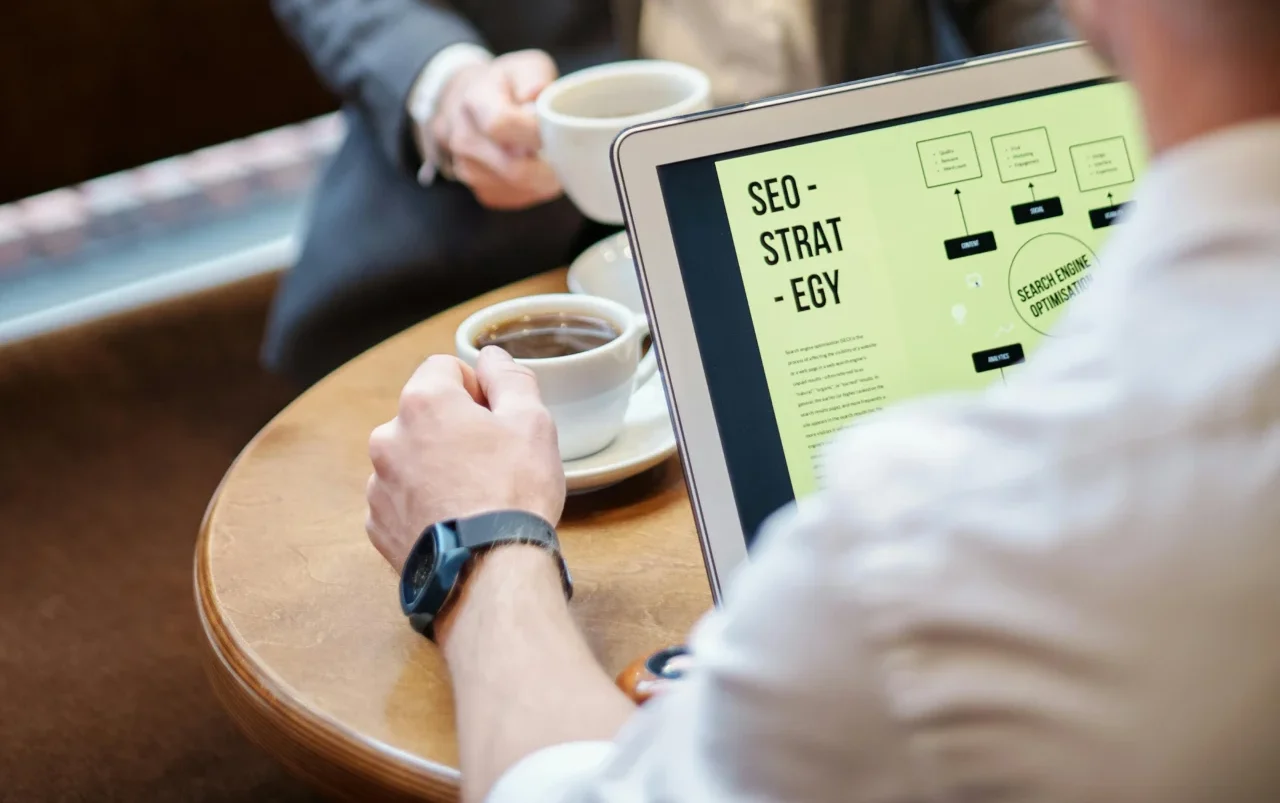
Beyond social media, targeted advertising and optimization expand digital reach. SEO-rich blogs and videos increase organic search rankings and visibility. Effective SEO for food and beverage practices ensure that product pages and stories appear in key searches. Personalized email flows nurture relationships over time, turning first-time buyers into brand advocates. Regular testing and analytics guide improvements that boost performance. Wineries that implement these methods transform data into meaningful storytelling. In doing so, they merge creativity with measurable impact.
Integrating Events and Experiences to Deepen Connection
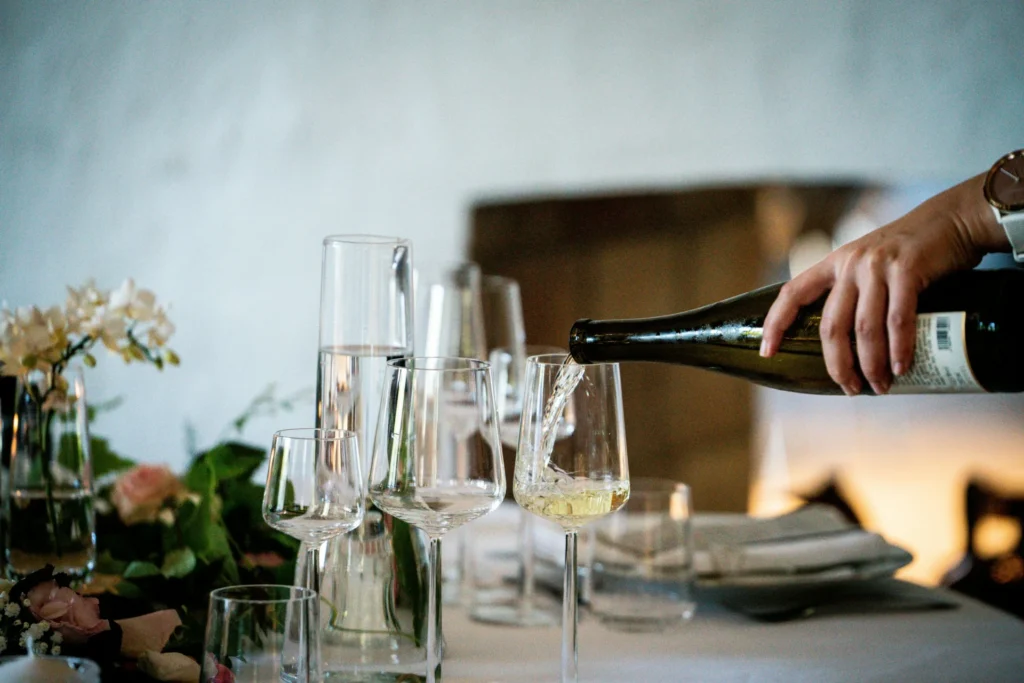
Events remain a timeless way to build relationships and bring brand stories to life. In-person tastings, dinners, and art collaborations immerse consumers in authentic experiences. Each element, from design to ambiance, should align with the brand identity. Thoughtfully curated experiences embody the emotional essence of strong wine marketing ideas. Every touchpoint, from decor to dialogue, contributes to emotional memory. Even boutique vineyards can leverage community partnerships to host meaningful gatherings. Personal interaction deepens trust and drives repeat engagement.
Virtual and hybrid events have expanded possibilities for global participation. Live-streamed tastings and vineyard tours allow audiences to connect remotely without losing intimacy. Deriving strategies from existing restaurant marketing ideas enhances event storytelling through culinary pairings. Digital invitations and real-time Q&A sessions maintain interactivity throughout. Virtual experiences reflect sustainability by reducing travel while maintaining inclusivity. Technology-driven ideas for wine marketing align perfectly with eco-conscious branding goals.
Every successful event also generates valuable insights and content. Collecting attendee data helps tailor future experiences and improve personalization. Visual documentation of events contributes to future promotional materials and case studies. Sharing recap videos online strengthens community connection. Positive feedback translates into higher visibility through user-generated content. Combining analytics with creativity refines campaigns further. Each experience becomes both an engagement tool and a story worth retelling.
Appealing to New Generations of Wine Enthusiasts
Younger audiences redefine loyalty through interaction and shared purpose. They look for brands that speak honestly about sustainability and social responsibility. Wineries using wine marketing ideas tailored to their interests attract lasting attention. Collaborations with food and drink marketing experts help shape inclusive messaging that resonates widely. Content that combines humor, education, and lifestyle storytelling engages audiences on emotional and cultural levels.
Younger generations value experiences that align with their principles and creativity. They appreciate innovation and authenticity over exclusivity. Campaigns built on current trends in food and beverage reflect this cultural alignment effectively. Interactive polls, relatable storytelling, and socially conscious messaging foster participation. Brands that share behind-the-scenes details or sustainable initiatives build credibility. These efforts transform wine marketing ideas into shared cultural experiences. Engaging users through social dialogue instead of traditional promotion strengthens community.
Accessibility and flexibility determine how effectively wineries reach younger audiences. Subscription models, virtual tastings, and personalized recommendations encourage consistent interaction. Transparent sourcing and pricing reinforce confidence and trust. Reward-based loyalty programs nurture long-term engagement. Creative storytelling tailored to this audience generates emotional investment. When food brand strategy complements authenticity, brand resonance deepens. Each action strengthens connection and inspires advocacy.
Adapting to Emerging Trends for Sustainable Growth
The modern wine industry thrives on innovation that aligns with environmental responsibility. Sustainability shapes the new definition of excellence for both products and marketing. Implementing wine marketing ideas that integrate green initiatives communicates leadership and care. Storytelling rooted in transparency reinforces credibility and relevance. Environmental certifications and partnerships amplify commitment beyond sales. Wineries adopting these practices show vision and accountability. They set benchmarks that influence industry-wide change.
Technology adds another dimension to this evolving landscape. Artificial intelligence enables smarter decision-making and trend forecasting. Combining insights from food and beverage market research with analytics optimizes audience targeting. Augmented reality enhances storytelling through immersive product experiences. Automation tools simplify personalization while maintaining human authenticity. Integrating these innovations within wine marketing ideas fosters long-term adaptability. Brands can continuously refine strategies based on measurable performance. This synergy between creativity and data shapes future success.
Agility remains the defining trait of sustainable growth. Testing, learning, and improving in short cycles maintain momentum. Strategic partnerships with food and beverage marketing plan experts ensure continuity and precision. Measurable results emerge from transparency and consistent improvement. Tracking engagement, loyalty, and sentiment supports long-term planning. Each insight guides better storytelling and community building. Adaptation keeps brands culturally and commercially relevant.
Final Thoughts
Marketing wine today requires a blend of creativity, insight, and sensitivity to changing values. Every element, from storytelling to digital strategy, must create a seamless experience. Brands that unite heritage with innovation continue to capture attention across generations. Effective strategies connect authenticity with measurable performance that sustains growth. By applying focused techniques and maintaining consistency, wineries can build meaningful relationships. Success comes from understanding that every touchpoint tells a story worth sharing.
At fishbat, a top digital marketing agency in New York, we draw on over a decade of expertise in food and beverage marketing to help brands navigate this complexity. Readers can learn more about our work on our about page or reach out to our team for a free consultation at 855-347-4228 or hello@fishbat.com. By embracing data-driven creativity, brands can thrive in a landscape that rewards innovation. Every step toward understanding audience values strengthens connection and longevity. In this evolving market, those who stay curious will continue to pour success into every glass.